West Texas desert, Chisos hikes, Rio Grande canyons, and dark skies
Big Bend, Texas
Plan Big Bend like a remote desert region, not a normal national-park stop: pick the right base, build in drive time, respect heat and closures, and save energy for the night sky.
Bandera and Wimberley are good Texas cross-links, but they are separate Hill Country trips — not practical Big Bend side quests.
Big Bend rewards travelers who treat distance as part of the experience instead of an inconvenience to beat.
Terlingua, Lajitas, Marathon, and park lodging each create a different rhythm.
Heat, road time, fuel, water, and construction updates should shape the plan before the trail list does.
Dark skies are a core Big Bend feature. Do not spend every evening recovering from an overstuffed day.
How to think about Big Bend
The mistake is trying to “do Big Bend” as if every highlight sits beside the same parking lot. This is a huge, remote desert region. A good trip chooses a gateway, protects the cooler parts of the day, leaves room for scenic drives, and checks current park conditions before treating any Chisos or basin plan as automatic.

Build the trip around one realistic park loop
Big Bend punishes vague plans. Start with Santa Elena Canyon, Ross Maxwell Scenic Drive, Chisos time when conditions allow, and one dark-sky evening.
Read the first-timer itinerary →
Choose the base before the activities
Terlingua, Lajitas, and Marathon produce different trips. Your lodging choice controls dinner, drive times, and how much margin you have after sunset.
Compare where to stay →
Leave room for the desert to slow you down
The best Big Bend trip is not a checklist sprint. Scenic drives, canyon light, stargazing, and recovery time matter as much as named hikes.
See things to do →Pack for desert distance
Water capacity, sun coverage, navigation comfort, and a few night-sky upgrades matter more here than generic vacation accessories.
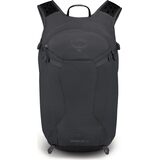
Osprey Sportlite 20L Unisex Hiking Backpack, Dark Charc…
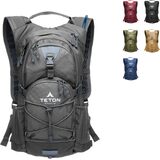
Teton Oasis/Trailrunner Hydration Backpack – Lightweigh…
Wide-Brim Sun Hats
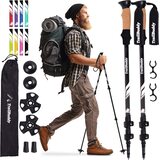
TrailBuddy Trekking Poles – Lightweight 7075 Aluminum H…
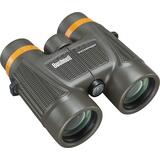
Bushnell H2O Xtreme Binoculars_FullyMultiCoated_Waterpr…
ANDERY Car Phone Holder for Magsafe [78+LBS Strongest S…